Will a charity collect my furniture?
A charity collection is free, keeps good furniture in use and feels like the right thing to do. It is also selective, slow and quite often ends with the piece still in your bedroom. This guide explains what charities look for, what they turn away and what to do when the answer is no.
Key points
- Several national and local charities collect furniture from homes, but each covers its own areas and sets its own rules.
- Furniture has to be clean, complete and good enough to go straight into a shop window.
- Anything upholstered must carry its permanent fire safety label or the charity cannot resell it.
- Assembled flat-pack and anything damaged, marked or wobbly is usually turned down at the booking stage or at the door.
- If a charity says no, a licensed collection takes the furniture from the room on a fixed price, in any condition.
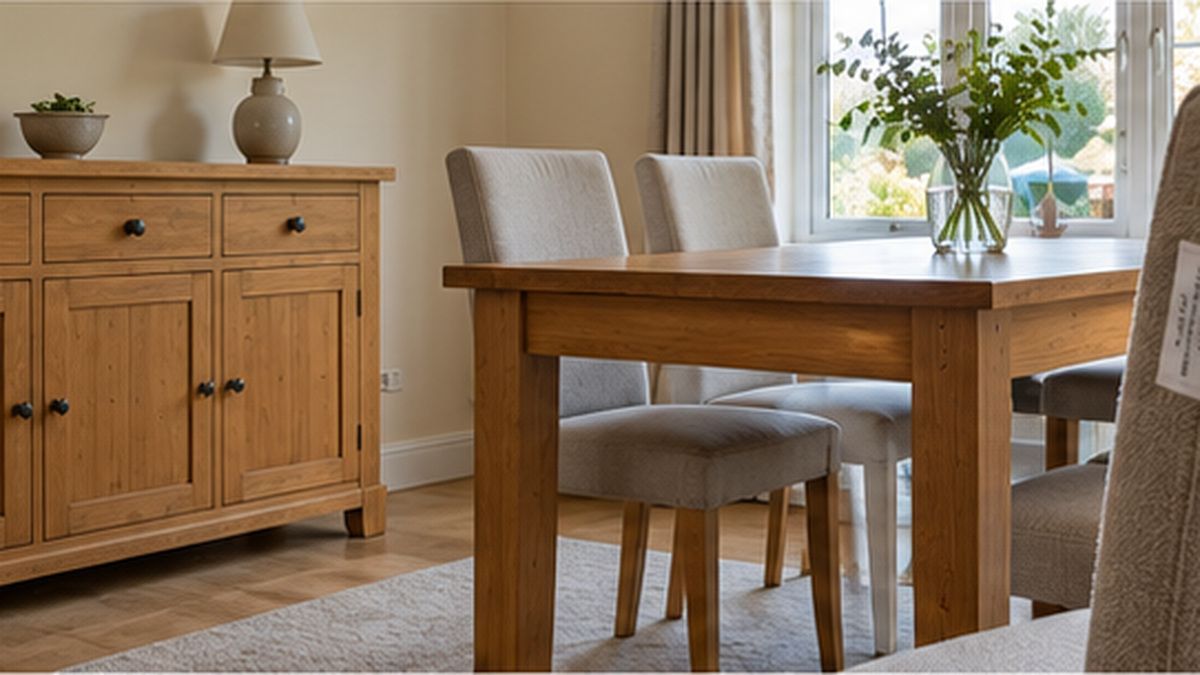
Will a charity collect my furniture? Who runs collections
Plenty of charities do collect furniture, and for a good piece it is the first route worth trying. Some are national names with a network of furniture and electrical shops, some are hospices and housing charities working in a single county, and some are community reuse projects that pass furniture on to families who need it at low cost or none. Each one runs its own vans, covers its own patch and decides its own rules, so there is no single answer that holds for every charity in every town.
The practical way to find out is to search for furniture collection together with your town and the word charity, then check each result for a collection page or a phone number. Most will ask you to describe the furniture and send a photo before they agree to come. Smaller charities often have a tighter area and fewer van days, so it is worth asking more than one if the first cannot help.
Bear in mind what the charity is doing. It is running a shop or a reuse scheme, not a disposal service, and every item it collects has to earn its space on the van and the shop floor. That is why the questions below about condition, labels and type of furniture matter so much.
The condition charities need
The standard most charities use is simple: would a customer buy it as it stands. Wardrobes and chests need every door, drawer, shelf and handle present and working, with no deep scratches, water rings, peeling veneer or sticky residue. Tables need a flat, unmarked top and legs that do not rock. Chairs need firm joints. Beds need all the slats and fittings, and divan bases need clean, undamaged covering.
Odours are a common reason for refusal that owners rarely think of. Furniture from a house with pets or smokers, or a piece that has sat in a damp garage, usually fails on smell alone even if it looks fine in a photo. Giving the piece a clean and letting it air before the collection date improves the chance it is accepted.
The crew makes the final decision at the door, not the person who took the booking. If the furniture turns out to be worse than it looked in the photo, or it is damaged getting it to the van, they are entitled to leave it behind. That is not the crew being difficult; it is them protecting the charity from the cost of disposing of something it cannot sell.
Charity turned it down?
Send a photo of the furniture and we reply with one fixed price to collect it from the room, whatever condition it is in. You pay once it is on the van.
Fire labels on upholstered furniture
Any upholstered piece, which here means padded dining chairs, armchairs, footstools, upholstered headboards, padded office chairs and divan bases, has to carry a permanent fire safety label to be resold in the UK. The label is a stitched-in tag, usually on the underside of the seat, the back of the headboard or the base of the divan, stating that the item meets the furniture fire safety regulations. Charities check for it because they are legally responsible for what they sell, and without the label they cannot put the piece in the shop.
Look for the label before you book, and mention in your enquiry that it is present. Labels can be cut off during cleaning, worn away or missing on older or imported pieces, and a missing label is an immediate no for most charities however good the condition. Wooden and metal furniture with no padding does not need a label, so a solid dining table or a pine wardrobe is judged on condition alone.
Flat-pack and damaged items are usually refused
Assembled flat-pack is the single biggest category charities turn down. Chipboard panels held with cam locks and glued dowels loosen the first time they are taken apart, and the piece rarely goes back together square. A charity has to dismantle it to get it on the van, rebuild it in the shop, then dismantle it again for the buyer, and most decide it is not worth the risk. Some will take flat-pack that is still in its original box, but very few want it once it has been built.
Damaged pieces fail for the same reason: the charity cannot sell them and would have to pay to dispose of them. Fitted wardrobes, which are screwed to the wall and built to a room, are almost never collected because they do not stand on their own. Large items that will not come apart, such as some sideboards and display cabinets, can also be refused if the van cannot take them whole.
If your wardrobe or bookcase is flat-pack or fitted, it is worth being realistic early rather than waiting weeks for a collection that ends in a refusal.
How long the wait is
Charity collections run on a fixed number of van days and a queue of bookings, so a wait of a week or two is common and in busy areas or around house-moving season it can be longer. You are given a date rather than a choice of dates, and the slot is normally a half-day window during working hours when someone has to be at home. Some charities also ask that the furniture is brought to the ground floor or a point near the door before the crew arrives.
If you are moving out, handing back a rental or clearing a house for sale, that lead time is the deciding factor. The charity route only works when the furniture can stay where it is until the collection date and you can afford for the crew to turn it down on the day. If either of those is not true, a paid collection with a fixed date is the safer plan.
What to do if the charity says no
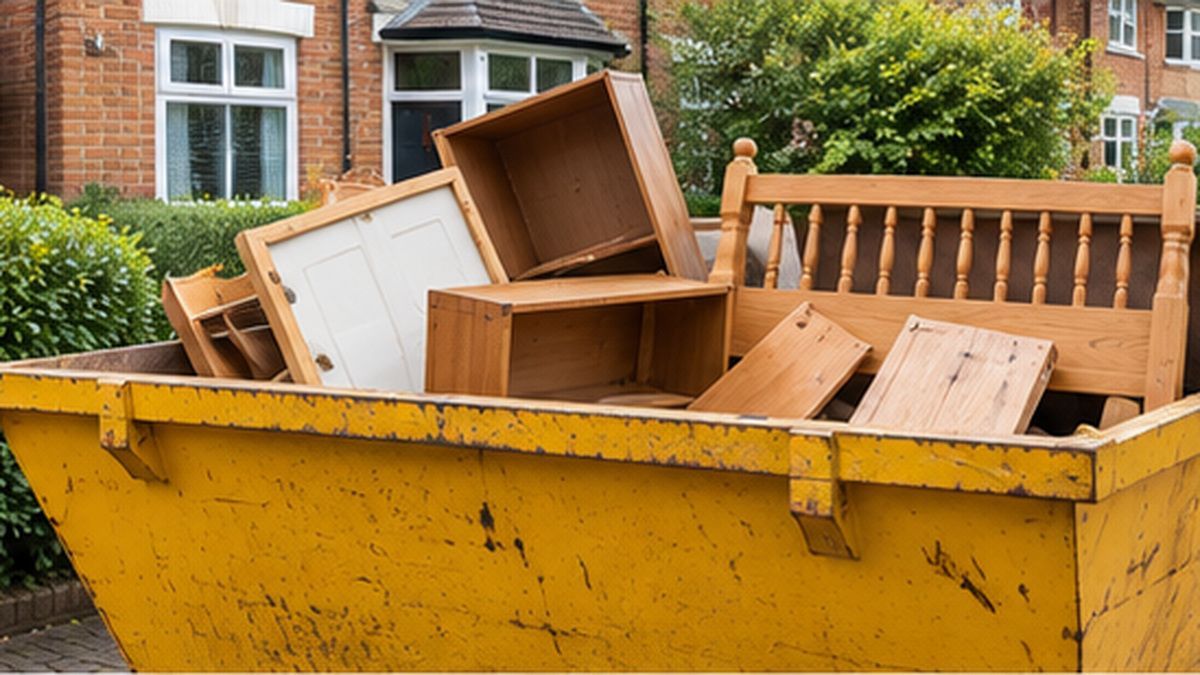
A refusal usually means the furniture is not fit for resale, and that leaves the disposal routes. You can book a council bulky waste collection, which means getting the piece outside yourself on a set day, or take it to the household waste recycling centre if you have a vehicle that fits it. How to get rid of old furniture walks through each of those with their drawbacks.
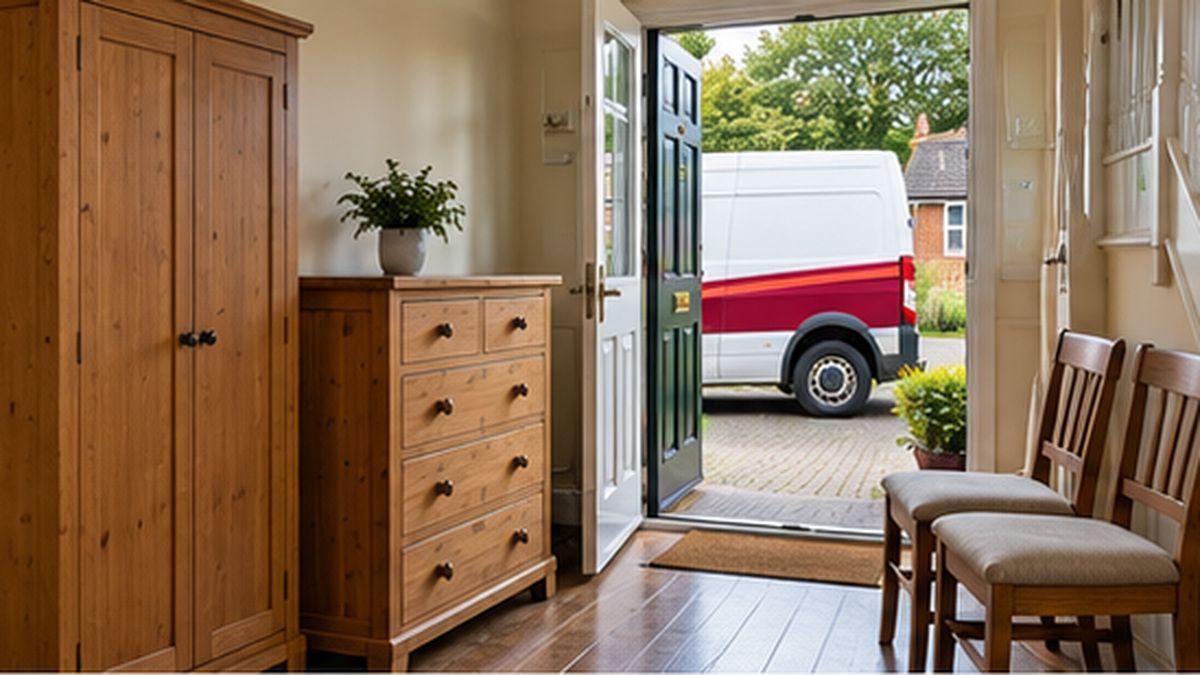
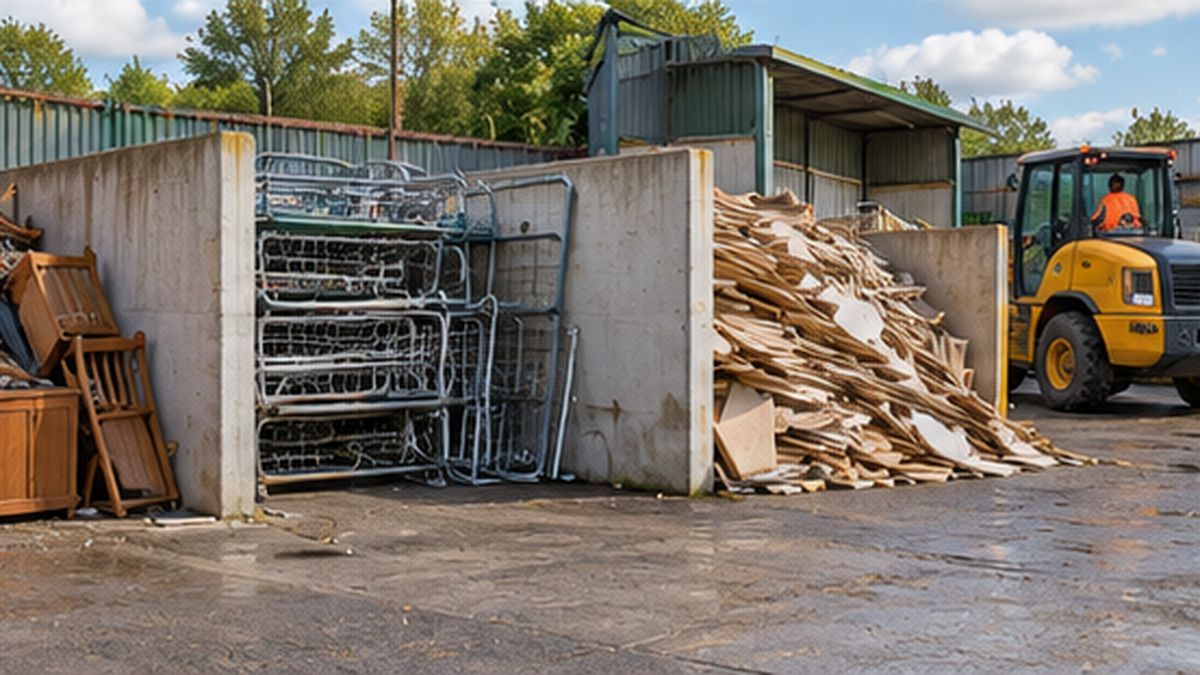
The other option is a licensed collection. Two people come to the room the furniture stands in, take it apart if needed, carry it down the stairs or through the lift, load it and dispose of it. Condition is irrelevant: broken, stained, flat-pack or fitted all go. You send a photo, get one fixed price for everything and pay once it is on the van, and same-day or next-day collection is offered wherever we can fit it in. We hold an upper tier waste carrier licence registered with the Environment Agency, and anything that is still sound goes for reuse first, with the wood, metal and glass from the rest recovered at a licensed waste transfer station. What happens to your furniture after collection covers that in full, and what affects the cost of furniture removal explains how the figure is worked out. For a mixed room of pieces, furniture disposal takes everything in one visit.
Questions people ask
Do charities charge to collect furniture?
Most collect good furniture free of charge because they sell it to fund their work. A few charge a small fee for collection or for larger loads, so ask when you book rather than assuming.
Will a charity take a bed frame?
Usually, if it is complete, sturdy and clean. Wooden and metal frames with all their slats and bolts are commonly accepted. A divan base counts as upholstered and needs its fire label, and the crew will check the covering for marks.
Can a charity collect from a flat on an upper floor?
Some will, some ask you to bring the furniture down to the ground floor first. Mention the floor, the stairs and whether there is a lift when you book, so the charity can say up front what it can manage.
What if the charity collects some pieces and leaves others?
That happens often. The pieces they leave are the ones they cannot sell, so the remaining options are the council, the tip or a licensed collection. Send us a photo of what is left and we price it as one job.
Need it gone whatever its condition?
Describe the furniture the charity would not take and we reply with one fixed price to collect it from the room, in any condition. Then send us a photo so the price is right first time.
- Registered waste carrier
- Fixed price from a photo
- Two-person crew and van
- Same or next day where possible

Get a fixed price from a photo
Fill this in and we reply by email with a fixed price. Then send us a photo of the furniture so the price is right first time.
Sent.
No email app on this device? Send the photo to hello@furniture-removal.co.uk with your postcode.