How to get rid of old furniture
A wardrobe, a bed frame or a dining set that has had its day can go several different ways, and the best one depends on its condition, how quickly you need the space and how much lifting you are prepared to do. This guide takes each route in turn and says what it really involves.
Key points
- Furniture that is sound, clean and complete can usually be sold, given away or collected by a charity.
- Council bulky waste is booked ahead, and the furniture normally has to be outside the property on the day.
- The tip takes furniture from residents, but you need a vehicle that fits it and some sites ask you to book first.
- Retailer take-back only helps when you are buying a replacement and the delivery date suits you.
- A licensed collection carries the furniture out of the room and gives you one fixed price from a photo.
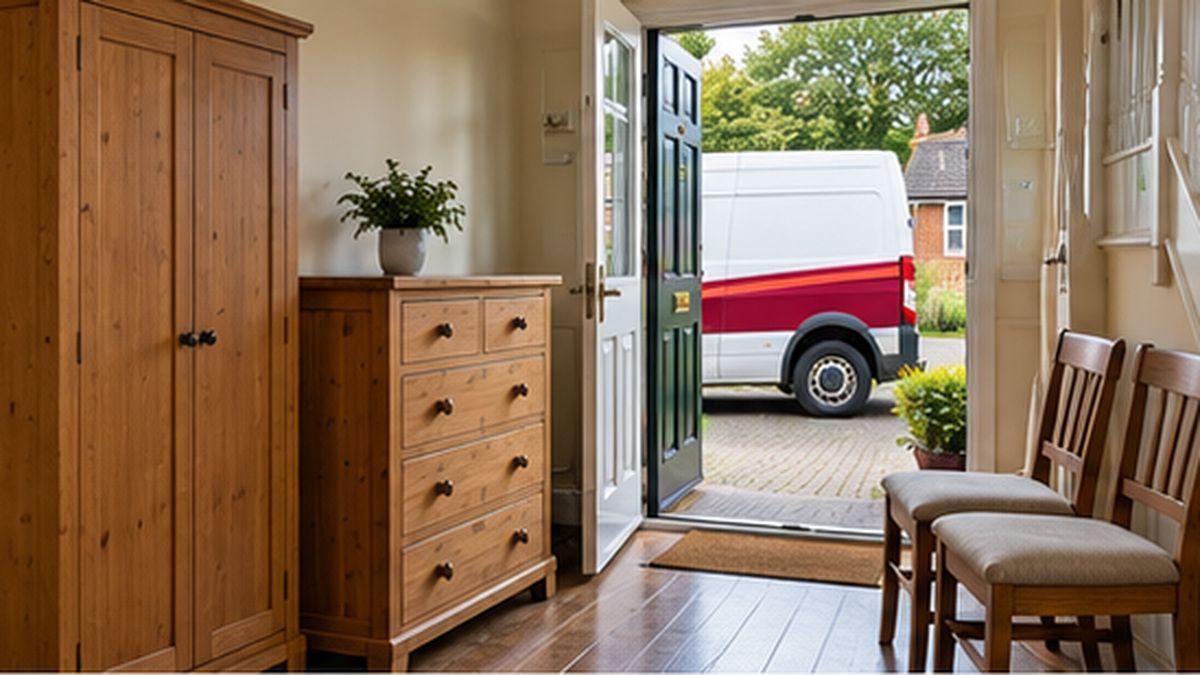
How to get rid of old furniture: condition decides the route
The first question is not where the furniture goes but what state it is in. Open the doors and drawers, press on the joints and look at the back and underneath. A wardrobe that stands square with its doors hanging true, a table with a flat top and tight legs, or a chest with drawers that run smoothly is still useful to someone. A piece with a split carcass, missing shelves, swollen chipboard or a frame that rocks is waste, and the only question left is who takes it away.
Be honest here, because every reuse route depends on it. A buyer, a charity or a neighbour on a community site is doing you a favour by taking furniture, and they will walk away from anything that looks like a repair job. Damage you have stopped noticing after years in the same room is the first thing a stranger sees.
Then think about time and effort. Some of the routes below cost nothing but mean a wait of a week or more and all the carrying done by you. Others happen within a day or two and involve no lifting on your part. If the piece is a wardrobe, a bed frame or a chest of drawers on an upper floor, the route out of the building is often the real problem.
Selling it or giving it away
Good furniture sells. Photograph it in daylight with the doors shut and the surfaces clear, give the width, height and depth, and say plainly what is wrong with it. Solid wood, named brands and anything mid-century tends to move quickly. Flat-pack and veneered chipboard rarely does, because the buyer knows it may not survive being taken apart and rebuilt.
The buyer almost always collects, which means they do the carrying, but you will need to be in for the viewing and again for the collection. Wardrobes and large bookcases usually have to be dismantled before they will go through a door, and most buyers expect you to have done that or to help.
Giving furniture away through a free listing or a community group is faster and less fuss than selling. The person who takes it brings their own vehicle and their own help. Expect a few no-shows along the way, and do not leave the piece on the pavement with a note on it, because if nobody takes it the council can treat that as fly-tipping.
Want the furniture gone without the lifting?
Send a photo of the piece and we reply with one fixed price for taking it apart if needed, carrying it out and disposing of it. You pay once it is on the van.
Charity collection
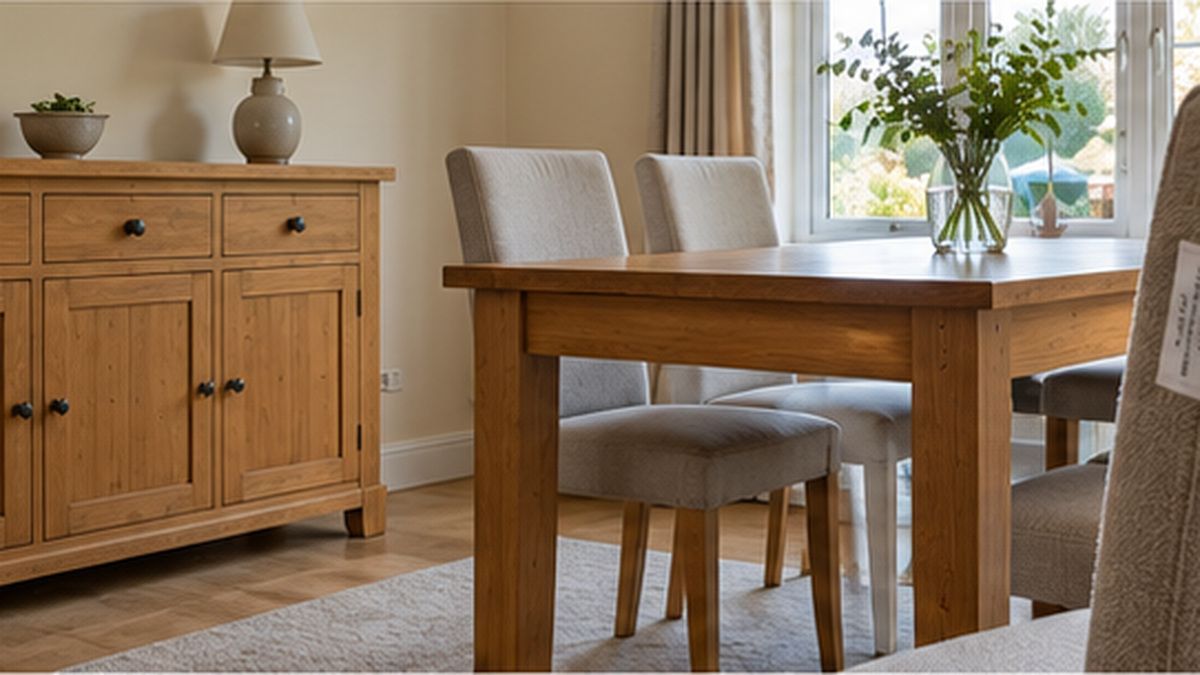
Many charities run furniture collections from your home, and the better pieces end up in their shops. The service is free, but it is selective. Furniture has to be clean, complete and ready to sell, and upholstered items such as dining chairs with padded seats need their permanent fire safety label still attached. Flat-pack that has already been assembled is often turned down because it rarely survives a second move.
Collections are usually booked for a date some days or weeks ahead, and the crew will only take what was agreed when you booked. If a piece turns out to be worse than described they are entitled to leave it. For a longer look at what to expect, read will a charity collect my furniture.
Council bulky waste collection
Every council offers some form of bulky waste collection, and it is the route most people think of first. You book it in advance, pay the council's fee or use a free allowance where one exists, and put the furniture outside on the set day, usually at the kerb or by the front gate. The crew will not come indoors, so getting the piece from the bedroom to the pavement is down to you.
This works well for a ground floor house with a drive and a couple of people to help. It is harder from a flat, where the furniture has to go down the communal stairs and sit outside until the lorry comes, and some blocks do not allow that. Expect to wait for the next available slot, and check what counts as one item, because a wardrobe that has been taken apart can be counted as several.
Taking it to the tip yourself
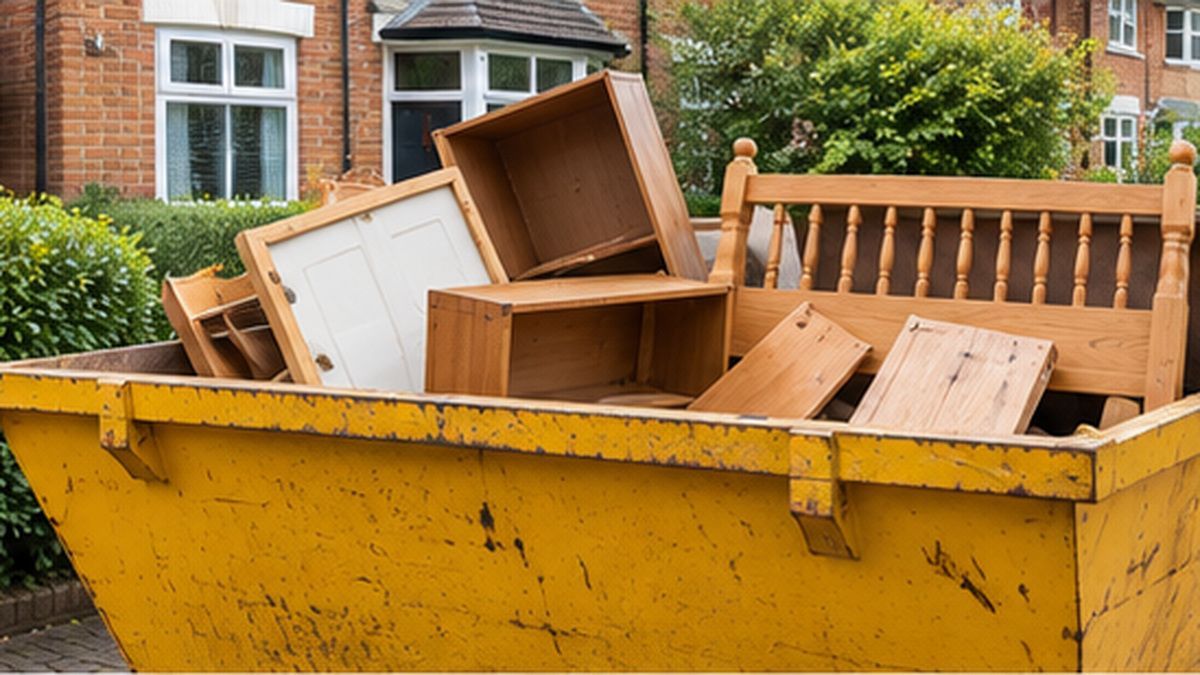
Household waste recycling centres accept furniture from residents, and most have separate bays for wood, metal and general waste. The piece has to fit in your vehicle, which for a wardrobe or a bed base usually means taking it apart first and then loading it flat. Many sites restrict vans and larger vehicles or ask you to book a slot online before you arrive, so check your council's page before you load up.
The tip is a same-day route if you have the vehicle, the time and someone to help with the lifting. If you have none of those it is not a route at all, and hiring a van to make one trip can cost more than having the furniture collected.
Retailer take-back when you buy new
Some furniture retailers will take the old piece away when they deliver the new one, either included in the delivery or for an added charge. Ask before you order rather than on the day, because it usually has to be added at the checkout and the delivery crew cannot agree to it at the door.
Take-back ties the removal to the delivery date, which only suits you if the old furniture can stay in place until then and the room has space for both. Retailers also set their own rules on what they will accept, so read the conditions rather than assuming anything will go on the lorry.
A licensed collection, and why the licence matters
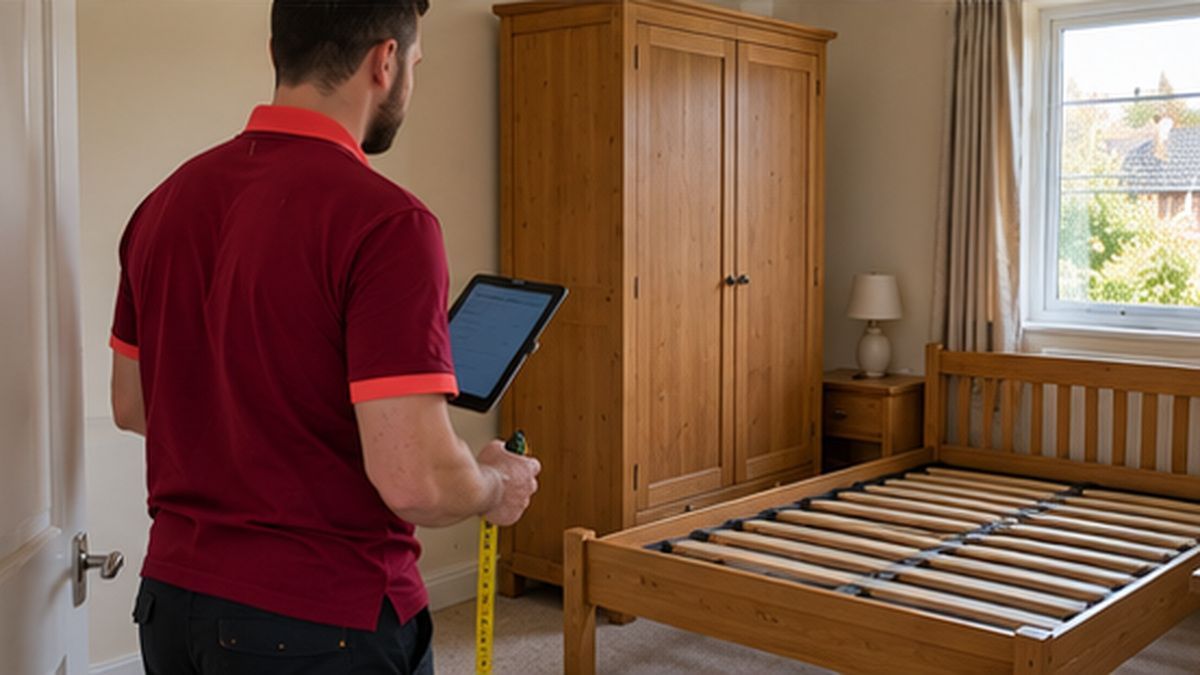
The last route is to pay a waste carrier to collect it. Two people come to the property, take the furniture apart in the room if it will not go through the door, carry it down the stairs or out through the lift, load it and dispose of it. With us you send a photo through the form, get one fixed price for the whole job and pay once the furniture is on the van. Same-day or next-day collection is offered wherever we can fit it in.
Before you book anyone, ask for their waste carrier licence number and check it on the Environment Agency public register. Fly-tipping is a criminal offence, and when furniture you paid someone to take turns up dumped in a lane, the householder can be prosecuted alongside the carrier. A legitimate firm gives you the number straight away and can tell you where the furniture went. Our upper tier licence is CBDU526130, a waste transfer note is available on request, and what happens to your furniture after collection explains the reuse and recovery side. If you want to know what moves the price, what affects the cost of furniture removal covers it.
Questions people ask
Can I leave old furniture outside my house for someone to take?
Not safely. If nobody takes it, the council can treat furniture left on the pavement as fly-tipping and the householder is responsible. Offer it through a free listing instead, so you know who is coming and when.
What is the cheapest way to get rid of old furniture?
Giving it away costs nothing if someone wants it, and the council bulky waste service is usually the cheapest paid route. Both depend on you getting the furniture outside yourself and being able to wait for a date.
Does a licensed collection take broken or flat-pack furniture?
Yes. Condition does not matter to a waste carrier the way it does to a charity or a buyer. Broken, damp or half-dismantled pieces are collected as they are, and the wood and metal are recovered at a licensed waste transfer station.
How fast can you collect old furniture?
We aim for same-day or next-day wherever possible. Send the photo early in the day for the best chance of a slot that day, and we confirm the earliest time we have before you commit.
Ready to clear the room?
Tell us what the furniture is and which floor it is on, and we reply with one fixed price for carrying it out and disposing of it. Then send us a photo so the price is right first time.
- Registered waste carrier
- Fixed price from a photo
- Two-person crew and van
- Same or next day where possible

Get a fixed price from a photo
Fill this in and we reply by email with a fixed price. Then send us a photo of the furniture so the price is right first time.
Sent.
No email app on this device? Send the photo to hello@furniture-removal.co.uk with your postcode.